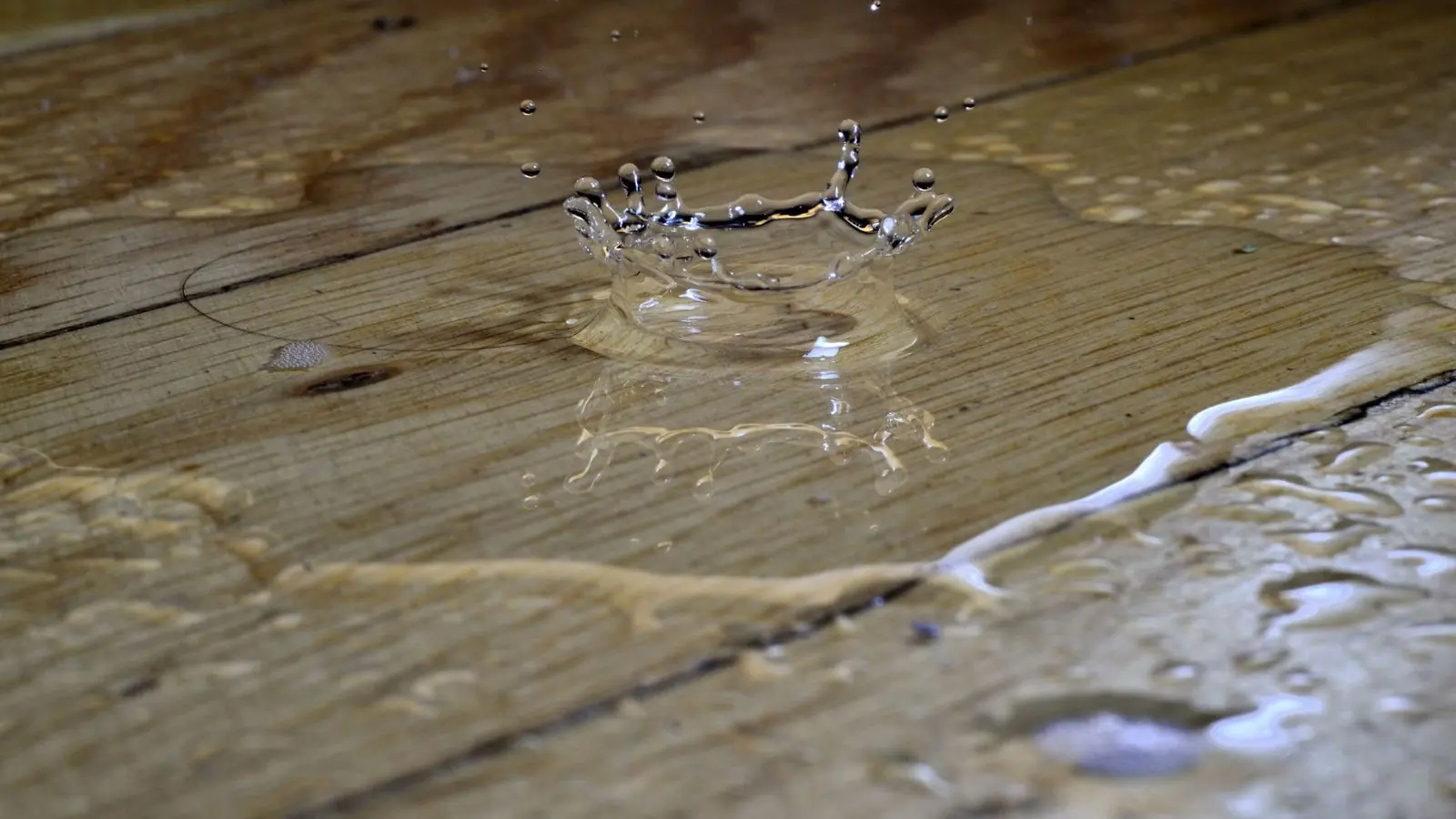
Hardwood floor water damage in Temple Hills leads to one decision once the drying is done, which is whether the boards can be sanded and refinished or have to be replaced. The decision comes from what the floor looks like after it has dried and settled, not from what it looked like on day one. Many floors look worse before they look better.
What Has To Happen Before The Decision
- The water source is fixed and the area is dry, confirmed by moisture readings on the boards and the subfloor.
- The floor has had time to settle. Cupping often eases as moisture content falls, so wait for stable readings.
- The finish and the boards have been inspected after drying, in good light and from low angles.
If drying is not yet done, start with water mitigation. Sanding a floor that is still releasing moisture can leave a crowned surface and gaps when it dries.
Signs A Floor Can Be Refinished
- Boards have flattened or are only slightly cupped after drying.
- There are no splits, no lifted edges and no soft spots.
- Stains are on the surface and come out when the finish is sanded.
- There is enough wood above the nails or tongue to sand without exposing fasteners.
Signs A Floor Needs Replacing
- Boards remain cupped, crowned or buckled after the readings have stabilized.
- Black or gray stains that go deep into the wood.
- Splits, cracks or boards that have separated from the subfloor.
- Soft spots or a musty smell from the subfloor.
- The subfloor itself is damaged and has to be replaced.
| Condition after drying | Likely path | Notes |
|---|---|---|
| Mild cupping that flattened | Sand and refinish | Wait for stable readings |
| Stains that sand out | Sand and refinish | Check wood thickness |
| Deep black staining | Replace boards | Stains rarely sand out |
| Buckled boards | Replace and check subfloor | Usually from heavy or long wetting |
| Gaps only | Often normal, reassess later | Boards may close with seasonal change |
Partial Or Full Replacement
Replacing a section can work if the same species, width and finish are available. A new section next to an old floor often shows, though, because old wood has aged. Many contractors recommend replacing and refinishing the whole room so the finish is continuous. Ask about transitions at doorways and whether the quote covers sanding the entire area.
Pricing follows the work, so the details set the cost.
- Floor area. The square footage that needs sanding or replacing.
- Wood and finish. Matching species, width and stain adds cost.
- Subfloor. Repairs to a damaged subfloor are extra.
- Removal and disposal. Tearing out and hauling old boards takes labor.
- Timing. Finish needs cure time before furniture returns.
If a covered event caused the damage, insurance may help with the cost, so read your policy and talk with your insurer.
Questions To Ask A Flooring Contractor
- Did you measure moisture in the boards and the subfloor, and what were the readings?
- How thick is the wear layer, and how much can be sanded without exposing the nails?
- Will you replace a section or the whole room, and why?
- How will the new boards be matched in species, width and finish?
- What does the quote include for removal, disposal, subfloor repair and finish?
- How long until I can put furniture back?
What The Timeline Looks Like
Refinishing takes several days when sanding, staining and multiple coats of finish are included, and the finish needs time to cure before heavy furniture and rugs return. Replacement adds the time for removing boards, repairing the subfloor and installing new wood. Ask the contractor for a schedule, and plan for a few days when the room cannot be used.
Slabs, Basements And Creek Country Moisture
Prince George's County states that all waterways are subject to flooding and that localized low spots can flood even when they are not near a body of water. The county's flood studies include Henson Creek, dated April 1986, and Temple Hills sits at about 269 feet above sea level.
The practical tie-back for floors is the subfloor. A floor over a basement or a slab can take up moisture from below after storms, so check the subfloor reading before refinishing, and keep an eye on lower levels after heavy rain.
Source type: county government flood information page and a public encyclopedia elevation figure
For a rebuild, the water damage repair page explains our approach, and crews also serve Clinton and Oxon Hill.
Common Questions
How long should I wait before refinishing a floor after a leak?
Until the boards and subfloor have stable moisture readings, which can take weeks. Sanding too early can leave a crowned surface and gaps.
Can black stains on hardwood be sanded out?
Sometimes light staining on the surface can be sanded out. Deep black stains usually mean the wood has been wet for a long time and the boards are replaced.
Will insurance pay for refinishing?
If the damage came from a covered event, it may, but policies differ. The Maryland Insurance Administration says homeowners policies generally cover sudden and accidental water damage but not flooding. Read your policy and ask your insurer.
Is a floor over a Temple Hills basement more at risk?
It can be, because moisture from below is a common cause of cupping. Check the basement for dampness and fix drainage and leaks before investing in a new floor.