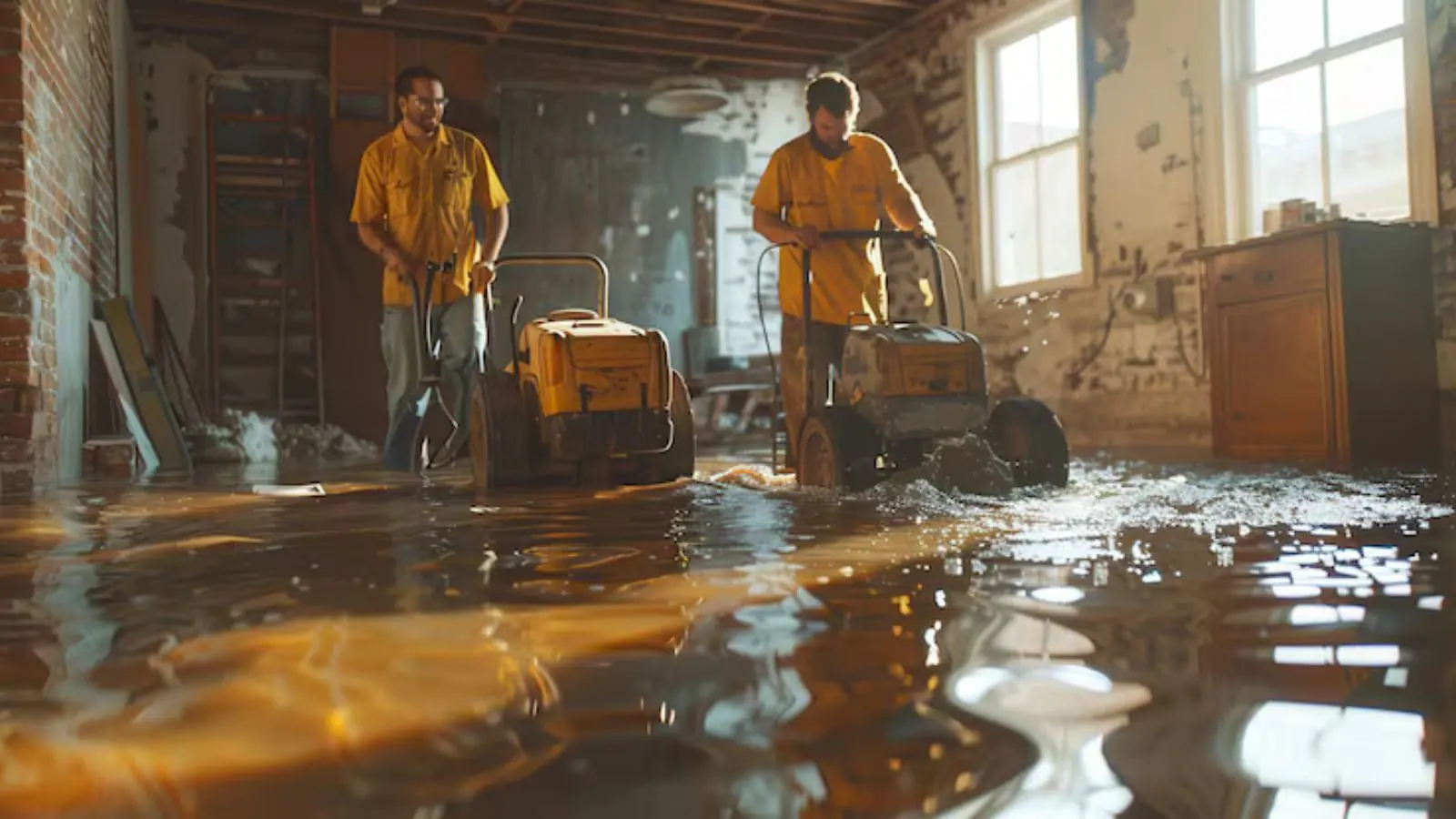
Water damage cleanup is urgent because wet materials start to smell and grow bacteria within a day or two. Our line is open 24/7, and a crew can be dispatched the same day when one is available. While you wait, keep children and pets out of the wet area, shut off the water source, and photograph everything before it is moved.
The First 48 Hours Of Cleanup
Cleanup is the second stage of a water loss. The water has been stopped and the worst of it extracted, and the question becomes what in the room can stay. That decision depends on two things, how long the material was wet and what kind of water wet it. The water mitigation page covers the stopping and drying. This page covers what gets removed, cleaned and treated afterward.
Carpet pad is the usual first casualty, because foam and fiber hold water and contaminants and cost little to replace. Carpet itself can sometimes be cleaned and dried if the water was clean and the response was fast. Drywall that has wicked water above the baseboard, insulation that is saturated, and particleboard cabinet bases tend to be removed. Solid wood and tile often survive.
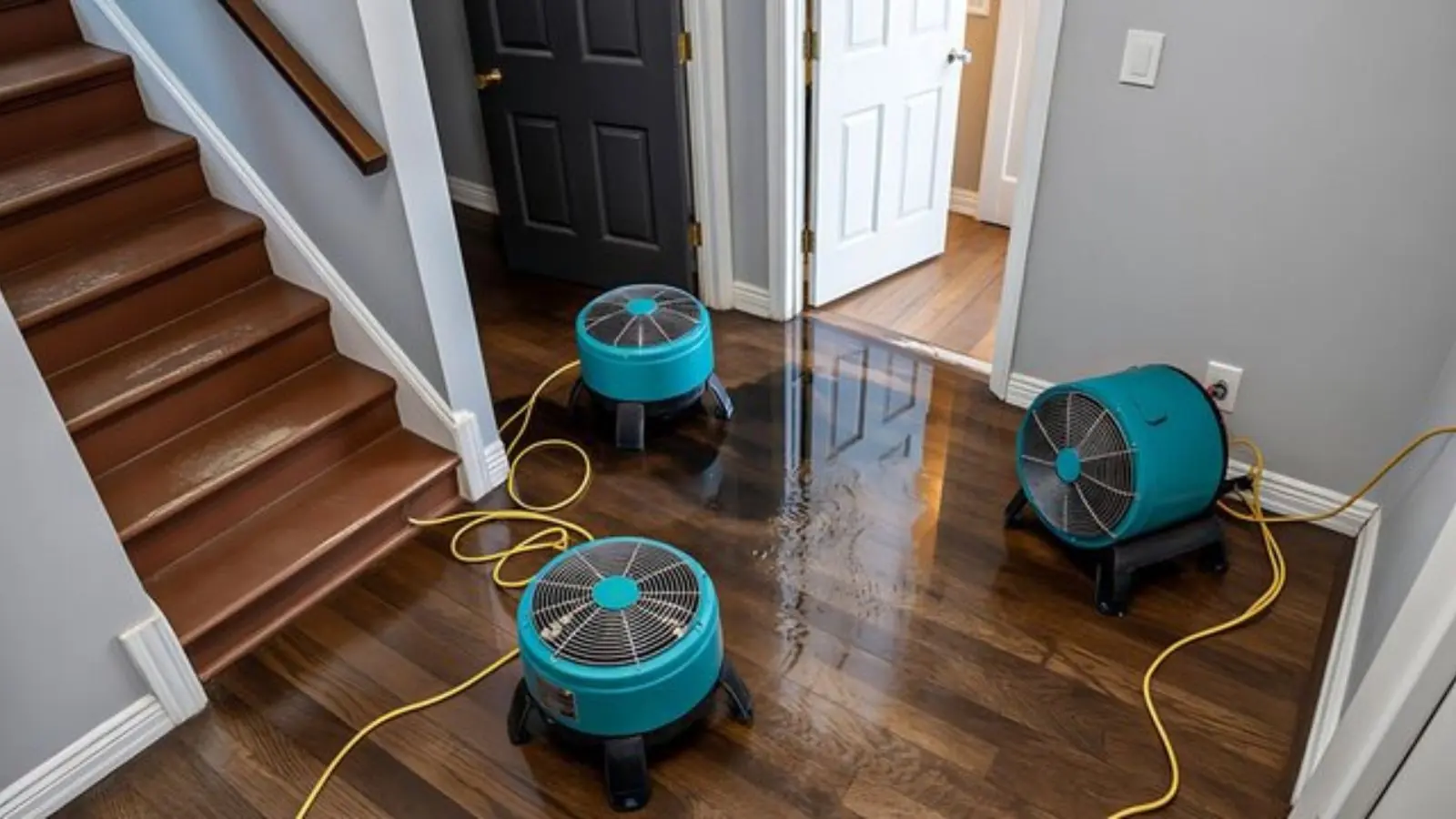
What Cleanup Includes
Sort
Materials are sorted into save, clean and discard based on water category and exposure time.
Remove
Wet debris, pad, soaked drywall and insulation are cut out and bagged for disposal.
Clean
Surfaces are washed with detergent first, since sanitizer does not work over soil.
Sanitize and deodorize
Antimicrobial treatment and air scrubbers deal with bacteria and odor before rebuild begins.
Gray And Black Water: Cleanup With Safety Steps
Cleanup after a washing machine overflow, toilet overflow or sewer backup is different from cleanup after a clean supply line leak. Those are Category 2 and Category 3 events in the ANSI/IICRC S500 sorting, and they carry bacteria. Crews use gloves, boots and respirators, contain the area with plastic, and remove porous materials rather than trying to rescue them.
Do not scrub sewage with a household mop and bucket, and do not run a regular vacuum over it. If the water came from the public sewer main, WSSC Water lists 301-206-4002 for sewer emergencies on its utility services page. If the backup is inside your house line, call us.
Before you start cleaning anything yourself
Do not touch wet electrical devices, and do not enter a room where water has reached outlets. If anything smells like sewage, treat the water as contaminated and keep everyone out of it. Gas smell or sparks means leaving the building and calling 911 and the utility first.
What You Can Do Before The Crew Arrives
- Take photos and video of the damage before anything is moved, and write down what was in the room.
- Lift small items, papers and electronics to a dry area, and leave heavy furniture where it is if moving it is a strain.
- Open drawers and cabinet doors if the surfaces are dry enough to air, but leave sealed wet cabinets alone.
- Keep a list of any damaged items with age and rough value, because your insurer may ask.
| Material | Clean water | Gray or black water |
|---|---|---|
| Carpet pad | Usually discarded | Discarded |
| Carpet | May be cleaned and dried if treated quickly | Usually discarded |
| Drywall | Often dried in place if only the lower inch or two is wet | Cut out above the wet line |
| Hardwood floor | May be dried with special mats and equipment | Often discarded |
| Tile and sealed concrete | Cleaned and dried | Cleaned and sanitized |
Cleanup In Temple Hills Homes And Apartments
In older Temple Hills apartments and duplexes, a tub or toilet overflow often runs through a subfloor into the unit below. Cleanup there means opening a ceiling to see what is wet, which is easier when the building owner knows early. Tell the property manager as soon as you call us.
If water has spread across a whole floor, the job shifts from cleanup to flood damage restoration, and if the leak came from the roof, tell the dispatcher so the crew brings the right tools. Neighbors in Suitland and Oxon Hill get the same service.
Need wet debris and odor handled?
Call (301) 936-0619 and a dispatcher will talk you through the next step.
The price of cleanup is set by how much has to be removed and how contaminated it is.
- Water category. Category 3 jobs require more protection and disposal.
- Amount of debris. More wet drywall, insulation and flooring means more labor and hauling.
- Sanitizing needs. Antimicrobial treatment and air scrubbing add steps.
- Contents. Items that must be moved or stored add time.
- Rebuild. New drywall and flooring are priced after cleanup.
Insurance may cover cleanup after sudden and accidental water damage, but gradual leaks and neglect often are not covered. Check your policy. For a real number, call (301) 936-0619.
Industry Standards And Safety Basics
Professional water work in Temple Hills is commonly guided by the ANSI/IICRC S500 standard for water damage restoration. It sorts water by contamination category and drying by moisture readings rather than by guesswork. Until a crew arrives, stay out of rooms with sagging ceilings, do not use electrical devices near standing water, and do not mix cleaning products. If you smell gas or see sparks, leave and call 911.
Common Questions
Do you handle water damage cleanup emergencies at night or on weekends in Temple Hills?
Yes. The dispatch line is open 24/7 and a crew can be sent the same day when one is available. If the water is dangerous, the dispatcher will tell you what to do while you wait.
How soon after a leak should cleanup start?
As soon as the water is stopped. Wet porous materials begin to smell and grow bacteria within a day or two, and delay can move clean water toward a worse category.
Can carpet be saved after a leak?
Sometimes. Carpet that was wet with clean water and treated quickly can often be cleaned and dried. The pad underneath is usually discarded either way.
Does cleanup include the repairs?
No. Cleanup removes and treats. Rebuilding drywall, flooring and paint comes later and is priced separately.