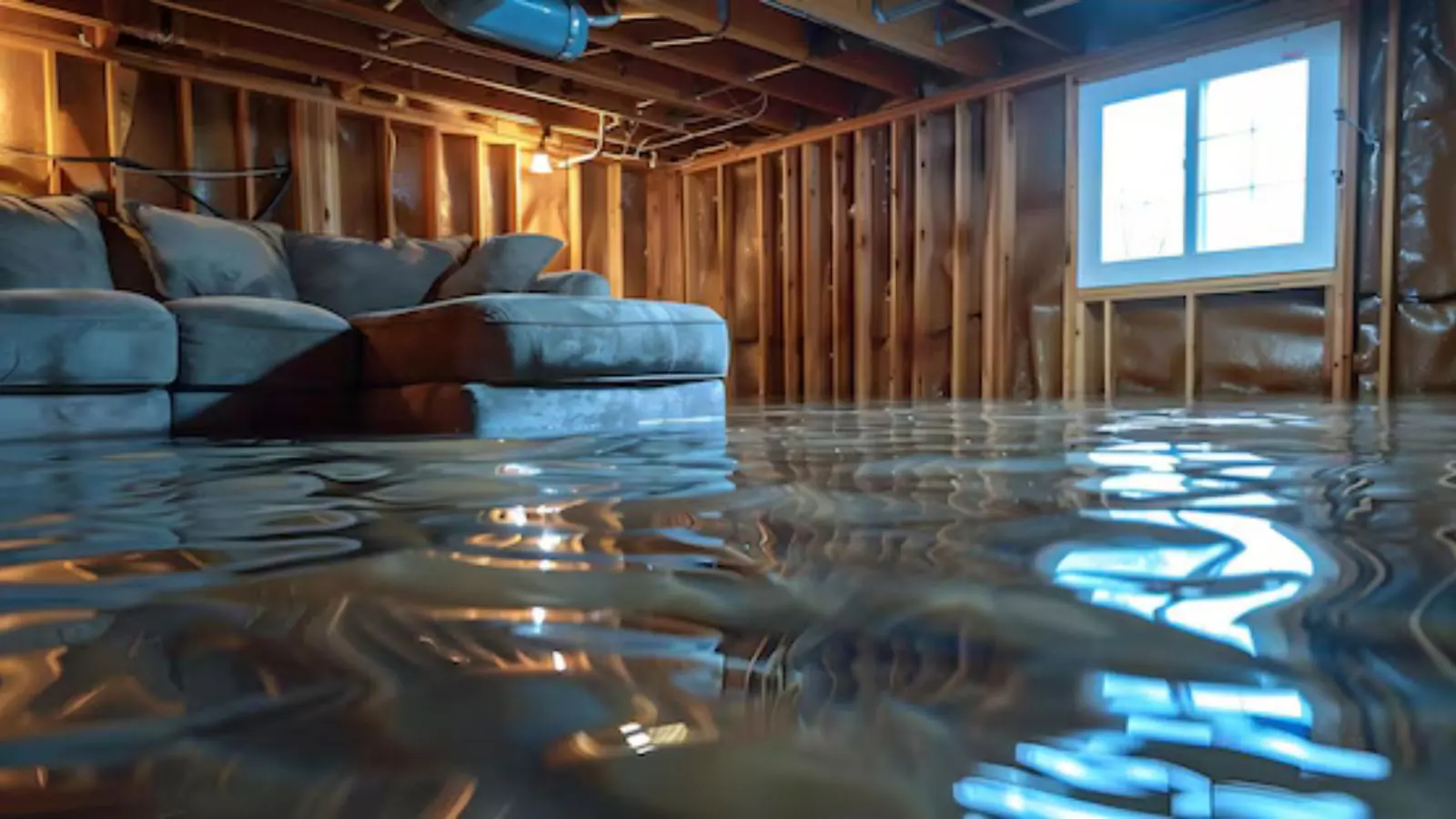
Water that is already inside your walls is an emergency, and the first 24 to 72 hours decide how much of the structure can be saved. Our dispatch line is open 24/7, and a crew can be sent the same day when one is available. While you wait, shut off the main water valve, keep your feet out of any water near outlets, and lift furniture and electronics out of the wet area.
My Ceiling Is Dripping And The Carpet Is Soaked. What Now?
That scene has a trade name, and it is water mitigation. Mitigation means limiting the damage that has already happened and preventing the damage that is about to happen. It is different from the rebuild, which comes later and is covered on the water damage repair page.
A soaked carpet over a damp pad over a wet subfloor does not dry by itself in a closed house. Moisture climbs into drywall by wicking, and it spreads into insulation and framing where you cannot see it. Mitigation crews work to stop that spread before mold starts, and the mold remediation page explains what happens if it is missed.
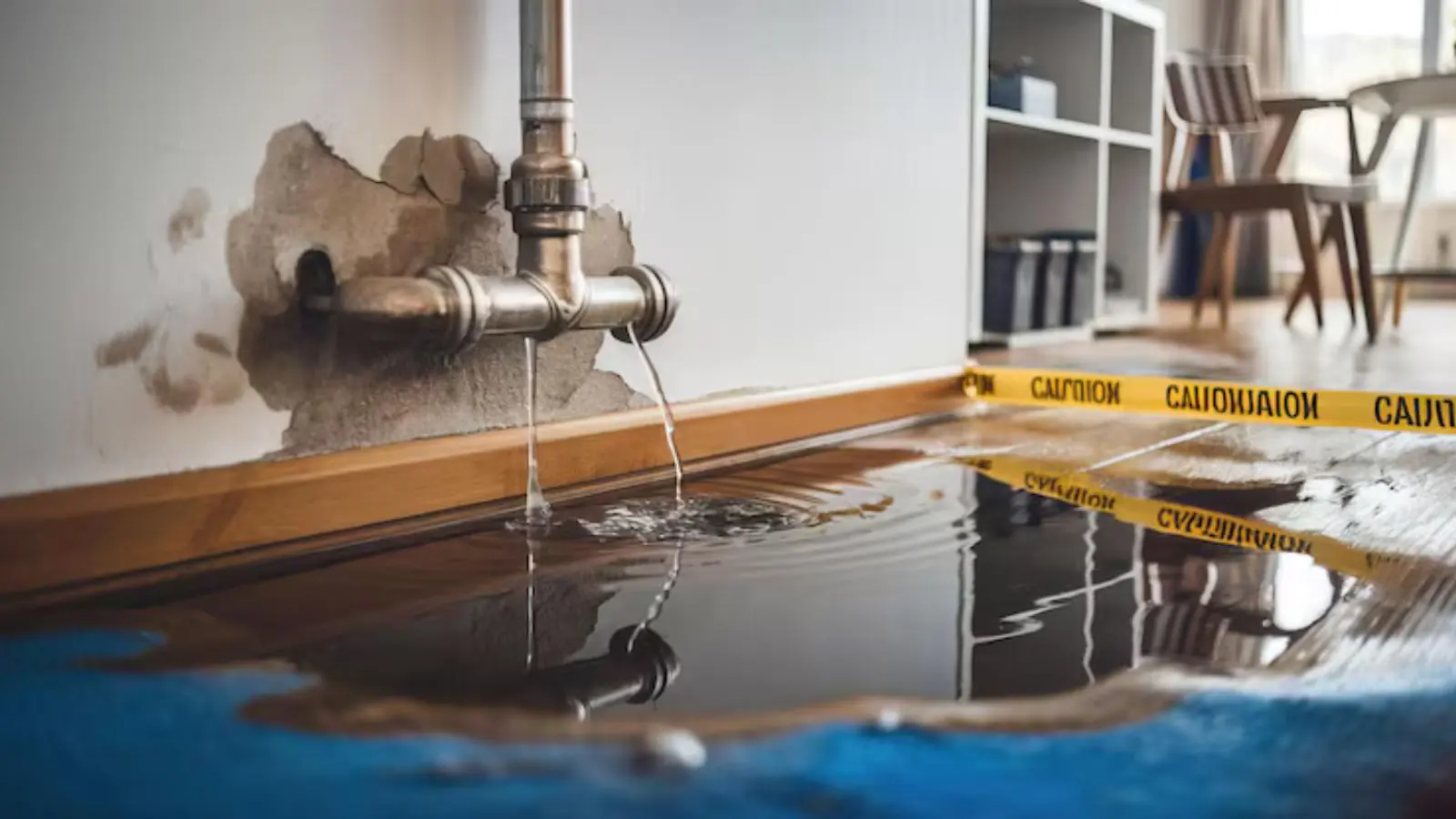
What Water Mitigation Includes
Source control
The crew finds the leak or intrusion point and confirms the water is off, so drying does not fight a live source.
Moisture mapping
Moisture meters and thermal imaging show which walls, floors and ceilings are wet, including areas that look dry.
Extraction
Pumps, wet vacuums and extraction units remove standing and soaked-in water before drying starts.
Drying setup
Air movers and LGR dehumidifiers are placed, and readings are logged each day until the structure reaches its drying goal.
When Standing Water Is An Emergency
Any water above the floor level of a finished room is an emergency, and so is any water in a wall cavity that has been wet more than a day. Water that reaches an outlet, a baseboard heater or the area around a panel changes the job from a drying problem to a safety problem. If you see that, stay out and call us before you touch anything.
If you want standing water pumped out right away, the emergency water removal page covers extraction in detail. Most mitigation calls involve both, because water has to come out before it can be dried.
Electrical and gas risk comes first
If water is touching electrical panels, outlets or appliances, do not enter the room. Turn off power at the panel only if you can reach it while standing on dry floor. If you smell gas or see sparks, leave the building and call 911 and your utility before you call us.
Structural Drying: What The Equipment Does
Structural drying is the part of mitigation that takes longest. Air movers push dry air across wet surfaces, which evaporates moisture into the room. LGR dehumidifiers then pull that moisture out of the air so it is not simply reabsorbed by the walls. Opening wall cavities with small holes or removing baseboards lets air reach the studs and insulation.
Equipment is sized to the room and checked every day. A moisture meter reading on a stud or a subfloor tells the crew whether the structure is approaching the dry standard for that material. Equipment comes out when the numbers say so, not on a fixed calendar. Wet hardwood, plaster and thick insulation usually take longer than painted drywall.
| Window | What usually happens | Why it matters |
|---|---|---|
| First hours | Source stopped, standing water extracted, contents lifted or moved | Less water wicks into walls and subfloor |
| Day 1 to 2 | Moisture mapping, wet materials that cannot dry are removed, drying equipment set | Sets the drying plan and the daily log |
| Day 2 to 5 or longer | Daily readings, equipment adjusted, wall cavities and floors checked | Dry readings must be reached before anything is rebuilt |
| After drying | Equipment removed, repair scope written | Moves the job to rebuild work |
Mitigation In Temple Hills Homes
Most Temple Hills housing was built from the 1950s through the 1970s, and a lot of it is garden apartments and duplexes. In a stacked building, a washer hose that fails on the second floor sends water through the ceiling below, and the neighbors underneath often do not know until the stain appears. Mitigation in those buildings means tracing water through more than one unit, so tell the property manager when you call.
Single-family homes near Henson Creek have a different pattern, with basements and low rooms that take on water during storms. The county says low spots can flood even away from a stream, so a wet basement after a heavy rain is not a surprise in this part of Prince George's County. If you are across the Beltway in Oxon Hill, the same crews cover the Oxon Hill side of the county.
Water already inside the walls?
Call (301) 936-0619 for 24/7 emergency dispatch.
Price depends on facts the crew has to measure, so we explain it after the assessment and before work starts.
- Water category. Clean, gray or black water changes labor and disposal.
- Affected square footage. Wet walls and floors across several rooms need more equipment than one corner.
- Materials. Hardwood, plaster and insulation take more drying time than painted drywall.
- Drying days. More days of equipment means more cost, so a fast start helps.
- Rebuild scope. Repairs after drying are a separate scope from mitigation.
Sudden and accidental water damage is often covered by a homeowners policy, while gradual leaks often are not, so check your policy or ask your insurer. Want a real number? Call (301) 936-0619.
Industry Standards And Safety Basics
Professional water work in Temple Hills is commonly guided by the ANSI/IICRC S500 standard for water damage restoration. It sorts water by contamination category and drying by moisture readings rather than by guesswork. Until a crew arrives, stay out of rooms with sagging ceilings, do not use electrical devices near standing water, and do not mix cleaning products. If you smell gas or see sparks, leave and call 911.
Common Questions
Do you handle water mitigation emergencies at night or on weekends in Temple Hills?
Yes. The line at (301) 936-0619 is answered 24/7. After-hours calls get the same intake as daytime calls, and same-day response is offered when a crew is available.
What is the difference between water mitigation and water damage repair?
Mitigation stops and dries. Repair rebuilds. Mitigation comes first and usually includes extraction, moisture mapping and drying equipment, while repair covers drywall, insulation, flooring and paint once the structure is dry.
Can I dry it myself with box fans and a shop vac?
A shop vac and fans can help with a small spill on a hard floor. They cannot dry wall cavities, subfloors or padding, and they cannot measure whether the framing is dry. If water has been inside the walls or under flooring for more than a day, a moisture meter reading is the only way to know the job is done.
How do I know my house is actually dry?
Ask for the daily moisture readings. The standard for a restoration company is documented readings that reach the drying goal for each material, not a room that merely feels dry.