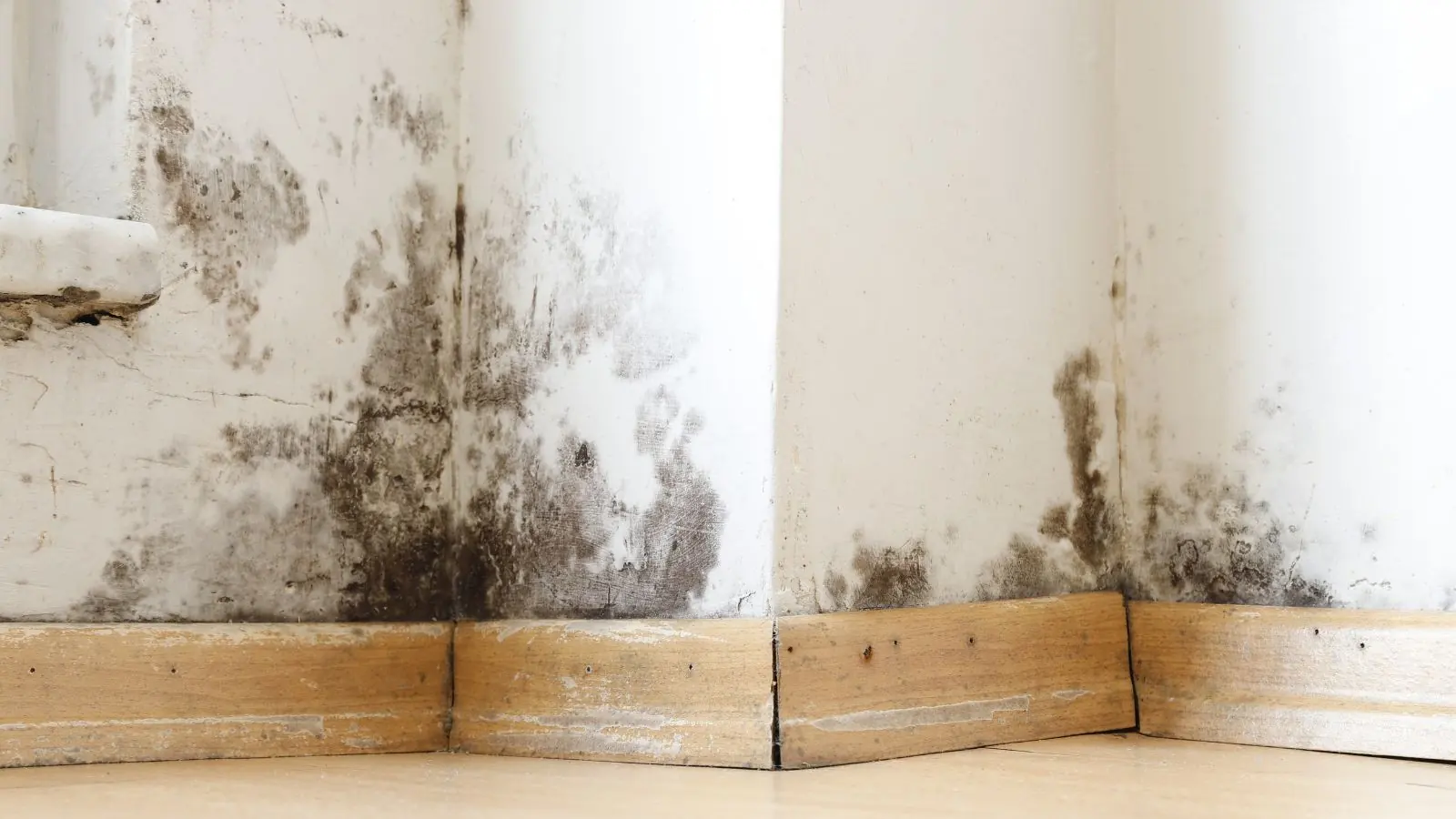
To kill mold on wood in Temple Hills, you have to deal with the moisture first, because wood that stays damp will grow mold again. Wood is porous, so surface treatments often miss growth that has gone below the surface. The practical aim is not just to kill mold but to remove it and dry the wood, and the right method depends on what the wood is and how deep the damage goes.
Solid Wood, Framing And Furniture
Solid lumber, such as floor joists and wall studs, can usually be cleaned if the mold is on the surface and the wood is still firm. Cleaning means physically removing growth, often with a HEPA vacuum and wire brushing or light sanding in containment, followed by drying. Spraying alone leaves spores and stains behind.
Furniture and trim made of solid wood can sometimes be cleaned with detergent and water and dried thoroughly. The EPA advises scrubbing hard surfaces with detergent and water and drying completely, and it warns that bleach is not recommended as a routine practice in mold cleanup.
When Wood Has To Be Replaced
| Condition | Likely outcome | Why |
|---|---|---|
| Surface mold on firm solid wood | Clean and dry | Growth is on the surface |
| Soft, spongy or crumbling wood | Replace | Wood is decaying, not only moldy |
| Mold on plywood or particleboard | Often replace | Layers hold moisture and growth |
| Mold on subfloor over a wet crawl space | Dry, clean or replace after assessment | Depends on depth and structure |
| Mold on unfinished outdoor timber | Clean and dry, treat the cause | Weather and shade keep it damp |
If the wood is part of the structure, such as a joist or beam, a contractor or engineer should decide whether it is sound. Do not assume a soft board is only mold.
How Deep Does Mold Go In Wood?
Mold on the surface of finished wood is easy to see and clean. Mold in unfinished lumber can send fine threads below the surface, and that growth is harder to reach. A screwdriver test tells you whether the wood is sound, and a moisture meter tells you whether it is still wet. If the wood is both soft and wet, it has more than a surface problem.
Protection matters during cleanup. Disposable coveralls, gloves, sealed goggles and a properly fitted respirator are standard for anything bigger than a small patch. A HEPA vacuum collects what brushing loosens, and a standard household vacuum does not.
What Not To Do
- Do not rely on a spray alone for deep growth.
- Do not sand or scrub dry without containment and protection, because it spreads spores.
- Do not seal or paint over mold, since the EPA says moldy surfaces should be cleaned and dried first.
- Do not mix chlorine bleach with cleaners that contain ammonia.
- Do not leave wood damp and hope it will dry on its own in a closed space.
Dry The Wood, Then Fix The Water
Moisture is the cause, so fix the leak, the drainage or the humidity first. Then dry the wood with air movers and dehumidifiers and confirm with a moisture meter. A crew handling water mitigation does this as a routine step, and it is the best protection against the mold returning.
Scale and safety
The EPA says a person can likely handle about 10 square feet. Larger areas, structural wood and anything with significant water damage should be handled by a professional. Keep the area closed, wear protection and ask a physician about any health concerns, as we do not make health claims.
Outdoor Wood, Decks And Fences
Green or black growth on a deck, fence or outdoor timber is common in shaded, damp spots, and it is a different problem from mold inside the house. Scrubbing with detergent and water and a stiff brush, then letting the wood dry in sun and air, often works. Fix the cause by trimming plants, improving airflow and keeping gutters from dumping water on the wood. If boards are soft, replace them before someone steps through.
When Wood Mold Means A Bigger Water Problem
Mold on wood inside a house is a symptom. It tells you the wood has been damp, and the real question is why. A plumbing leak, a roof leak, a damp crawl space or a basement that takes on water are the usual answers. The water damage cleanup page describes what happens after a water event, and fixing the source is always the first step.
Basements, Crawl Spaces And Henson Creek Drainage
Prince George's County's flood information includes a Henson Creek watershed study dated April 1986, and it says low spots can flood even away from a stream. Temple Hills sits at about 269 feet above sea level, and some homes have basements or crawl spaces where framing and subfloor wood are close to the ground.
The practical tie-back is that wood near the ground is the wood most likely to stay damp. Check basement and crawl space wood after heavy rain, look for stains and soft spots and keep gutters and downspouts directing water away from the foundation.
Source type: county government flood information page and a public encyclopedia elevation figure
Wood in Oxon Hill basements and Suitland crawl spaces faces the same issue, and the mold remediation page describes our process.
Common Questions
Can vinegar or bleach kill mold on wood?
Neither reaches growth that is deep in the wood. The EPA does not recommend bleach as a routine practice in mold cleanup. Physical removal and drying are more reliable.
How do I know if wood is rotted and not just moldy?
Press with a screwdriver. Wood that is soft, spongy or crumbles is decaying and needs to be replaced. Mold alone leaves wood firm.
Is mold on framing in a Temple Hills crawl space a structural problem?
Mold on the surface of firm framing is usually cleaned. Soft or decayed framing needs a contractor to assess whether the structure is sound.
Can I sand mold off wood myself?
Sanding without containment spreads spores through the house. Small, firm patches may be cleaned with detergent and water. Larger areas and structural wood should be handled by a pro.